
Utah State University College of Veterinary Medicine’s Distributed Veterinary Teaching Program depends on strong partnerships with veterinary practices, hospitals, laboratories, shelters, and other clinical organizations. Affiliated Veterinary Instructional Partner (AVIP) sites and preceptors help provide the authentic clinical experiences through which students develop clinical reasoning, professional judgment, and practice readiness.
Why Partnership Matters
The DVTP is built on the idea that excellent veterinary education can occur across a well-supported network of practice environments. The program is looking for sites that offer safe, educationally appropriate, professionally supportive settings where students can participate meaningfully in supervised clinical work.
Different sites contribute different strengths, and no single site is expected to provide the full breadth of the clinical year. Each AVIP partner plays a distinct and valuable role in the overall student experience.

What Student Participation Looks Like in Practice
Students are learners within the clinical team. Effective teaching does not require a student to follow the preceptor continuously throughout the day – assigned work such as records, case follow-up, discharge instructions, or other structured tasks can be educationally valuable and consistent with normal workflow.
Direct Clinical Involvement
- Observing cases and obtaining patient histories
- Performing components of physical examinations
- Assisting with diagnostics and procedures
- Participating in client communication when appropriate
Structured Educational Tasks
- Drafting and completing medical records
- Preparing discharge instructions
- Case work-up and follow-up
- Lab submissions and diagnostic documentation
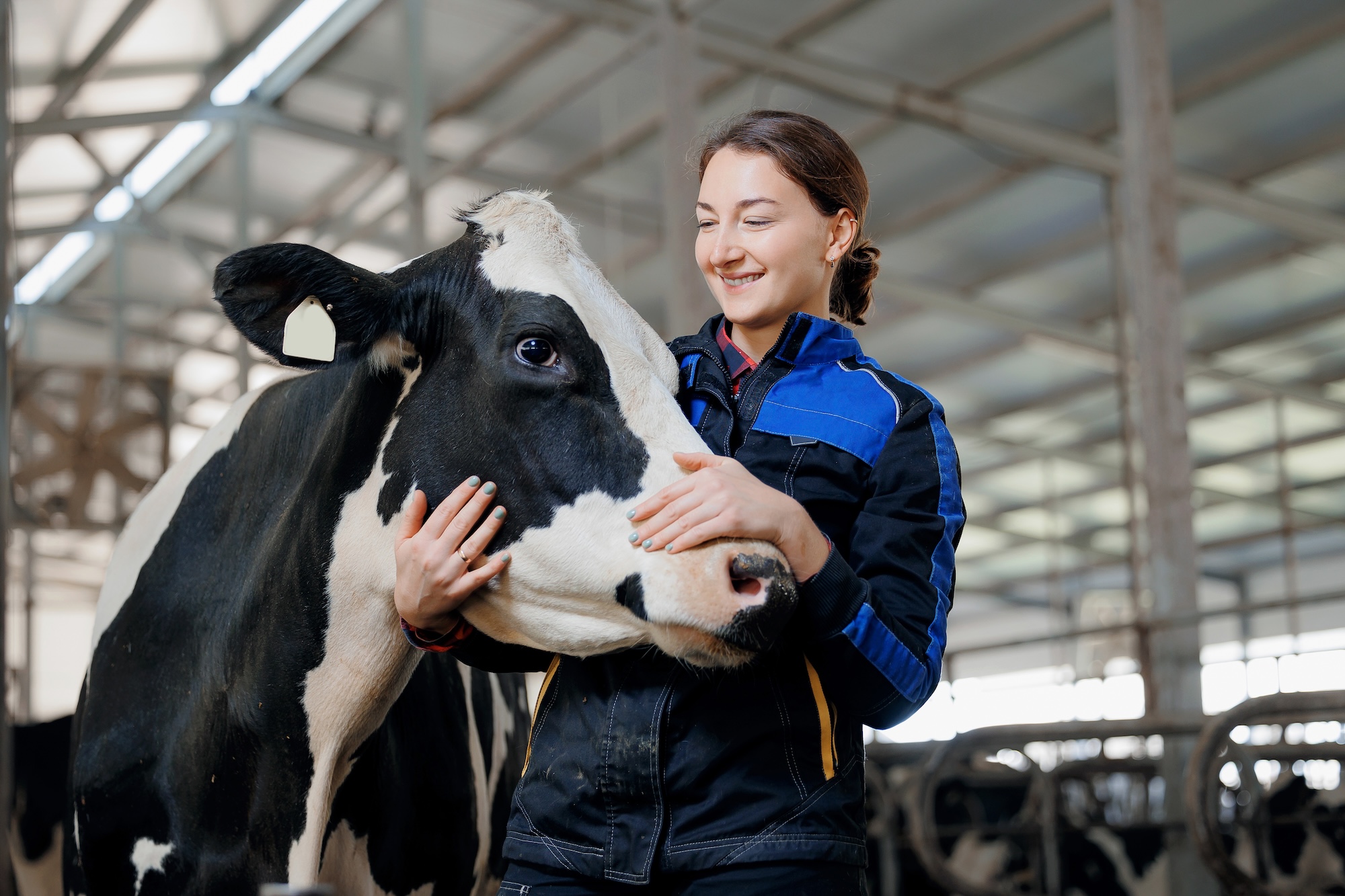
The Preceptor Role
Preceptors serve as the student’s primary on-site educational supervisors. They help determine the level of student participation, provide coaching and feedback, complete required evaluations, and communicate with the Office of Clinical Programs if concerns arise.
Site-based evaluation is important, but final academic authority for student progression, competency verification, and course outcomes remains with the College. Preceptors are essential contributors to that process – not solely responsible for it.
Training and Support for Preceptors
The program is intended to support preceptors, not burden them with a faculty role they did not sign up for. Designated preceptors complete required orientation and receive guidance related to:
- Supervision expectations and student participation
- Providing feedback and completing evaluations
- Communication pathways with the Office of Clinical Programs
- The distributed clinical education model
Additional resources, FAQs, and just-in-time guidance materials can be used to support teaching within everyday clinical workflow.
Becoming a Clinical Partner
Sites interested in participating as AVIPs should expect a structured review and approval process focused on:
- Educational appropriateness and supervision capacity
- Professionalism and alignment with program expectations
- Safety and facilities
Participation is formalized through a Memorandum of Agreement, and site activation includes readiness discussions before students are assigned.
Frequently Asked Questions
An AVIP is an approved clinical partner site that collaborates with the College to support student learning in an authentic supervised practice environment.
The program values a range of practice types and settings that can provide safe, educationally appropriate, professionally supportive learning environments. Different sites may contribute different parts of the overall clinical experience.
No. The program’s expectation is contemporary veterinary medicine delivered responsibly and professionally. The goal is not for every site to offer every possible service or modality, but for patient care and teaching to be consistent with current professional expectations and sound clinical judgment.
No. Students may participate directly in selected cases and also spend time on case work-up, records, discharge instructions, lab submissions, or other structured educational tasks while the clinic continues to operate normally.
The supervising veterinarian determines the appropriate level of student participation based on patient safety, student skill level, procedure complexity, and clinic circumstances.
Preceptors provide important feedback and site-based evaluation, but final academic decisions – including remediation or course outcomes – remain under College authority.